

Editor’s Note: My perspective on marijuana has remained consistent: mild chemicals like alcohol, THC, nicotine, and others that are used to alter us should fall under the purview of the adult individual, not government. They should be prohibited to children but open for adults to allow their own faith-based and/or moral code to determine their decisions. I’ll take personal responsibility over government mandate almost every time. With that said, the article draws on strong sentiment…
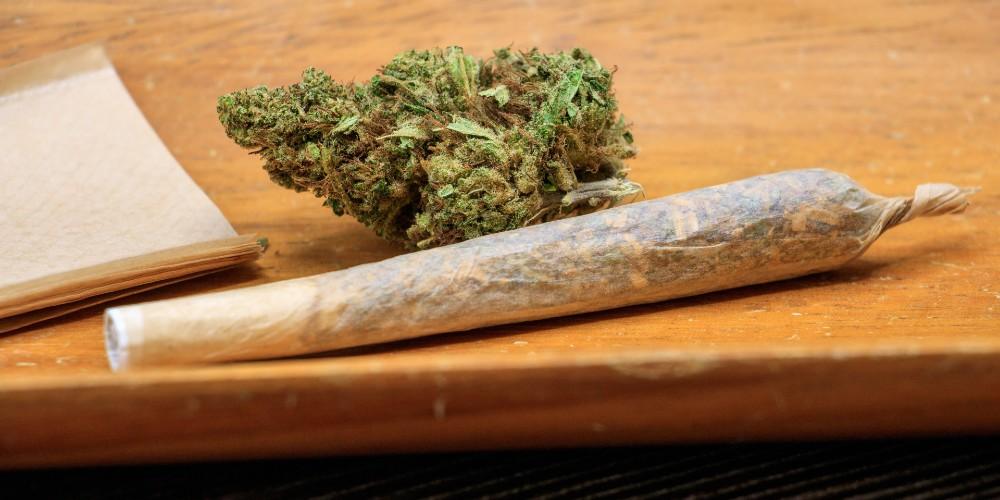
President Donald J. Trump’s administration has delivered on a promise to ease federal barriers around medical marijuana. Acting Attorney General Todd Blanche signed an order Thursday reclassifying state-licensed medical marijuana from Schedule I to Schedule III under the Controlled Substances Act. This historic adjustment does not federally legalize cannabis for recreational or even broad medical use, but it acknowledges accepted medical applications in 40 states, unlocks tax deductions for compliant operators, and clears pathways for legitimate scientific research.
- Acting AG Todd Blanche signed the order shifting state-licensed medical marijuana from Schedule I (alongside heroin and LSD) to Schedule III (similar to ketamine and certain steroids).
- The change grants tax relief to state-licensed operators and eases research restrictions without federally legalizing marijuana.
- It fulfills President Trump’s December 2025 executive order directing expedited rescheduling to improve healthcare access and research.
- Blanche highlighted the move’s focus on patient care and reliable medical information.
- A new expedited hearing process begins soon to consider fuller rescheduling.
- Marijuana remains federally illegal for recreational purposes, preserving criminal penalties where state laws conflict.
This decision reflects a practical recognition of state-level experimentation that has outpaced federal policy for years. Under previous administrations, bureaucratic inertia stalled progress despite mounting evidence of therapeutic potential for conditions like chronic pain and epilepsy. By directing the Department of Justice to act decisively, President Trump has prioritized patient outcomes and scientific inquiry over outdated prohibitions that treated cannabis identically to the most dangerous narcotics.
Yet conservatives rightly approach such reforms with measured skepticism. The left has long romanticized marijuana as harmless recreation, downplaying addiction risks, cognitive impacts on developing brains, and its role as a gateway substance for many. Federal reclassification risks sending mixed signals in a culture already battling opioid crises, declining mental health, and family breakdown. While medical applications deserve rigorous study, the profit-driven cannabis industry often blurs lines between therapeutic use and widespread commercialization that normalizes intoxication.
Critics of expansive drug liberalization point to real-world consequences in states with lax enforcement. Emergency room visits tied to cannabis, rising psychosis cases among young users, and black-market persistence despite legalization all underscore that policy tweaks carry cultural weight. The Trump administration’s approach, however, stops short of full embrace, maintaining federal prohibitions on recreational sales and emphasizing research over endorsement.
“This rescheduling action allows for research on the safety and efficacy of this substance, ultimately providing patients with better care and doctors with more reliable information.” – Acting Attorney General Todd Blanche
Blanche’s statement frames the policy as healthcare improvement rather than cultural capitulation. State-licensed producers can now register with the DEA, bringing some operations out of regulatory shadows while preserving law enforcement tools against illicit markets. This aligns with federalism principles: states test approaches, and the federal government adjusts without surrendering core authority over interstate commerce and public safety.
History offers cautionary parallels. The 1937 Marijuana Tax Act initiated prohibition amid concerns over social disruption. Decades later, state-level medical programs proliferated amid claims of compassion, yet data on long-term societal costs continues to emerge. True conservatives prioritize ordered liberty grounded in personal responsibility, not government-enabled dependency. Rescheduling invites scrutiny: Will expanded research confirm benefits without inflating abuse? Or will it accelerate the very cultural erosion critics fear?
President Trump’s directive in December already signaled intent to cut red tape hindering medical innovation. Thursday’s order executes that vision with precision, avoiding the reckless overreach seen in some progressive jurisdictions. It rewards compliant state programs while upholding federal guardrails—a balance often missing in Washington’s polarized debates.
Even so, the move invites deeper reflection on substance use in a nation founded on moral self-governance. As families and communities wrestle with addiction’s toll, policies must weigh compassion for the suffering against vigilance for the vulnerable. Christians and conservatives have long warned that treating symptoms with potentially habit-forming substances demands wisdom and restraint.
For now, this reclassification opens doors to evidence-based medicine without fully dismantling prohibitions. Its success will hinge on whether ensuing research upholds human dignity and societal health—or merely fuels another industry eager to profit from altered states of mind. Americans deserve policies that heal rather than haze.
“And be not drunk with wine, wherein is excess; but be filled with the Spirit.” (Ephesians 5:18) This timeless call to sobriety challenges every generation to pursue clarity and self-control amid shifting cultural winds.
The coming months of expedited hearings will test whether this pragmatic adjustment strengthens American healthcare or merely lowers defenses against broader drug normalization. Vigilance, not celebration or condemnation, remains the conservative watchword.

Starting the Day With a Scripture-Inspired Roast Helps Center Your Thoughts on Eternal Truths Amid Temporal Pressures
The world can seem chaotic, especially right after we wake up. Many believers start their mornings reaching for something familiar — a hot cup of coffee — yet end up settling for mediocre brews that do little more than deliver a caffeine jolt. The daily grind of life, with its endless distractions, news cycles, and responsibilities, can leave even the most faithful feeling spiritually parched alongside their physical fatigue. What if your morning ritual could do more than wake you up? What if it could ground you in truth, nourish your body with exceptional quality, and quietly advance a kingdom purpose at the same time?
That’s the promise — and the reality — behind Promised Grounds Coffee. This Christian-founded company doesn’t just roast beans; it approaches every step as an act of worship and discipleship. By selecting only the top 10% of specialty-grade beans, ethically sourced from dedicated farmers in Central and South America, and small-batch roasting them with reverence in Austin, Texas, Promised Grounds delivers what many describe as the best coffee available — never burnt, never bland, but rich with origin stories and layered flavors that honor God’s creation.
From the vibrant Psalm 27 Roast (a light, bright medium option) to the bold yet peaceful 2 Timothy 1:7 Decaf, each bag carries a Scripture verse that turns your daily pour into a gentle reminder of faith. And through their Ounce Per Ounce Promise, every ounce of coffee you enjoy provides an equal ounce of clean water to families in need via partnership with Filter of Hope — literally brewing hope for body and soul, one cup at a time.
The challenge for today’s Christians runs deeper than finding a decent cup. In an age of convenience-driven consumerism, it’s easy to support companies that dilute values or remain silent on matters of faith. Many believers want their everyday choices — from what they drink to how they spend — to reflect discipleship rather than just convenience. Promised Grounds solves this by weaving Christian excellence into the entire process: beans nurtured with prayerful stewardship by farming families, roasted as an offering rather than a commodity, and packaged with Bible verses to encourage a mindset of gratitude and purpose from the first sip. Reviewers consistently praise the smooth, rich profiles — whether enjoyed black in a drip maker, iced on a warm day, or shared in fellowship — noting how the quality stands toe-to-toe with premium secular brands while delivering something far more meaningful.
This integration of faith and flavor addresses a real need in Christian households and ministries. Busy parents, church leaders, and remote workers alike report that starting the day with a Scripture-inspired roast helps center their thoughts on eternal truths amid temporal pressures. The coffee’s exceptional character — bright citrus notes in lighter roasts or deep chocolate undertones in bolder ones — comes from meticulous selection and careful roasting that respects the bean’s natural gifts rather than masking them. It’s the kind of coffee that elevates a simple quiet time, fuels productive workdays, or sparks meaningful conversations when shared at Bible studies or outreach events. And because it’s ethically sourced with integrity, every purchase supports sustainable livelihoods for farmers who treat their crops like family harvests.
For those leading churches or small groups, the impact multiplies. Promised Grounds offers bundles and options perfect for hospitality ministries, turning ordinary coffee service into an opportunity to point people toward the living water of Christ. Imagine greeting visitors with a warm cup whose very bag carries God’s Word — a subtle yet powerful witness that aligns with the Great Commission. The company’s Texas roots and commitment to “brewing hope” resonate especially with believers who value American enterprise paired with global compassion.
Of course, quality alone isn’t enough if the experience feels out of reach. Promised Grounds keeps it accessible with practical perks like free shipping on orders over $40, sample sets for discovering favorites, and thoughtful add-ons such as faith-themed mugs. Whether you prefer whole beans for fresh grinding, grounds for convenience, or even bulk options for larger households and ministries, the result is consistently superior coffee that makes discipleship feel integrated rather than added on.
As you consider how to align even the smallest habits with your walk with God, Promised Grounds Coffee stands out as a refreshing solution. It tackles the dual problems of subpar daily sustenance and disconnected consumption by offering a product that genuinely excels in taste while advancing a mission of clean water, farmer dignity, and scriptural encouragement. Believers who make the switch often describe it as more than a beverage upgrade — it becomes part of their rhythm of gratitude, a daily invitation to remember that every good gift comes from above.
If you’re ready to transform your mornings (and perhaps your church gatherings) with coffee that honors both exceptional craftsmanship and Christian values, I encourage you to explore what Promised Grounds has to offer. One sip at a time, you’ll be nourishing your body, refreshing your spirit, and participating in something far greater — all while enjoying what truly is among the best coffee available.