

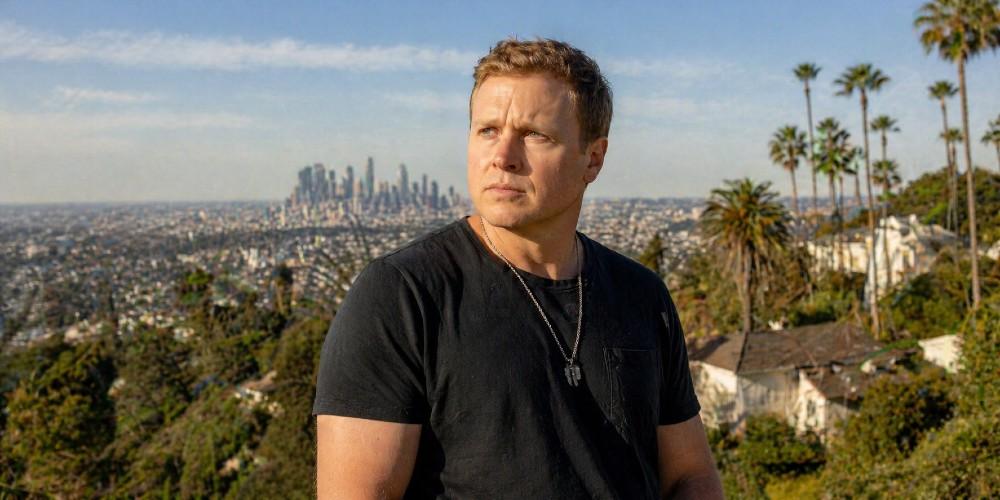
In the heart of one of America’s most reliably progressive cities, a former reality television star has delivered a stark warning to the Democratic establishment. Spencer Pratt, the outspoken Republican challenging incumbent Mayor Karen Bass, has outraised her in the latest campaign filing period — a development that underscores the growing frustration among Angelenos weary of unchecked crime, homelessness, and governmental incompetence.
According to disclosures filed with the Los Angeles Ethics Commission, Pratt pulled in nearly $540,000 since January. That edges out not only Bass’s roughly $495,000 but also progressive Councilmember Nithya Raman’s $530,000 haul. While Bass maintains a substantial cash-on-hand advantage from prior years — reportedly around $2.3 million — the fresh money flowing to her challengers tells a story of voter discontent that no amount of incumbency can easily dismiss.
This is not merely a celebrity curiosity. It is a referendum on years of progressive governance that has left Los Angeles grappling with visible decay. Bass’s administration has faced sharp criticism for its handling of the Palisades Fire that claimed Pratt’s home, alongside persistent struggles with homelessness and street crime. Pratt has not shied away from connecting these failures directly to the mayor’s leadership, framing his bid as a mission to restore order and accountability.
The numbers reveal deeper institutional weakness. An incumbent mayor in a deep-blue city should not struggle to dominate early fundraising against a reality TV personality and a socialist councilmember. Yet here we are.
Dan Schnur, a veteran California political observer, noted that Bass’s relatively modest haul should concern her team, especially as the June 2 primary approaches. Polls continue to show a fragmented field, with substantial undecided voters who appear less enthusiastic about continuing the status quo than about exploring alternatives.
Pratt’s emergence taps into a palpable anger. His Pacific Palisades property was reduced to ashes in the 2025 wildfires, an event he and many residents attribute in part to bureaucratic delays and inadequate preparation. Rather than retreating into victimhood, Pratt has weaponized that experience, blasting the city’s response and broader policy missteps on housing and safety. His campaign resonates precisely because it rejects the abstract compassion signaling that has defined Los Angeles politics for too long.
Even as a registered Republican in overwhelmingly Democratic territory, Pratt has secured notable backing. Podcaster Joe Rogan voiced support, drawing predictable scorn from Hollywood figures like Andy Cohen. Such reactions only reinforce the cultural disconnect: coastal elites dismiss common-sense critiques while everyday residents live with the consequences of failed experiments in criminal justice reform and expansive social spending.
The race remains uphill for Pratt. Recent surveys place him behind Bass but competitive for a potential runoff spot, especially with more than a quarter of voters still uncommitted. A UCLA Luskin poll showed him gaining traction, and analysts increasingly view him as a top-tier disruptor. In a top-two primary system, the dynamics could yet produce an unexpected November matchup.
JD’s manually curated links for God-fearing MAGA patriots
What makes this contest particularly telling is its exposure of liberal contradictions. For years, Democratic leaders have promised equity, compassion, and effective governance. Instead, Los Angeles has delivered tent cities, smash-and-grab thefts, and a diminished quality of life that even celebrity residents now openly lament. Pratt’s ability to raise serious money from donors including entertainment figures signals that frustration crosses traditional lines.
At its core, this challenge reflects a hunger for stewardship over ideology. Leaders who prioritize results — safer streets, responsive emergency services, and fiscal discipline — should not be dismissed as long shots simply because they refuse to toe the progressive line. Los Angeles voters deserve better than managed decline wrapped in rhetoric.
As the campaign intensifies, one truth emerges clearly: when even a reality star can outraise the sitting mayor, the ground beneath the establishment has shifted. Angelenos are signaling they have had enough of governance by platitudes. The question now is whether that discontent will translate into meaningful change before the city’s problems become irreversible.
The June primary will test whether Los Angeles remains captive to one-party rule or shows signs of awakening. Pratt’s fundraising success alone will not unseat Bass, but it has forced the conversation into territory the incumbent would prefer to avoid. For a city desperate for renewal, that itself marks progress.

Starting the Day With a Scripture-Inspired Roast Helps Center Your Thoughts on Eternal Truths Amid Temporal Pressures
The world can seem chaotic, especially right after we wake up. Many believers start their mornings reaching for something familiar — a hot cup of coffee — yet end up settling for mediocre brews that do little more than deliver a caffeine jolt. The daily grind of life, with its endless distractions, news cycles, and responsibilities, can leave even the most faithful feeling spiritually parched alongside their physical fatigue. What if your morning ritual could do more than wake you up? What if it could ground you in truth, nourish your body with exceptional quality, and quietly advance a kingdom purpose at the same time?
That’s the promise — and the reality — behind Promised Grounds Coffee. This Christian-founded company doesn’t just roast beans; it approaches every step as an act of worship and discipleship. By selecting only the top 10% of specialty-grade beans, ethically sourced from dedicated farmers in Central and South America, and small-batch roasting them with reverence in Austin, Texas, Promised Grounds delivers what many describe as the best coffee available — never burnt, never bland, but rich with origin stories and layered flavors that honor God’s creation.
From the vibrant Psalm 27 Roast (a light, bright medium option) to the bold yet peaceful 2 Timothy 1:7 Decaf, each bag carries a Scripture verse that turns your daily pour into a gentle reminder of faith. And through their Ounce Per Ounce Promise, every ounce of coffee you enjoy provides an equal ounce of clean water to families in need via partnership with Filter of Hope — literally brewing hope for body and soul, one cup at a time.
The challenge for today’s Christians runs deeper than finding a decent cup. In an age of convenience-driven consumerism, it’s easy to support companies that dilute values or remain silent on matters of faith. Many believers want their everyday choices — from what they drink to how they spend — to reflect discipleship rather than just convenience. Promised Grounds solves this by weaving Christian excellence into the entire process: beans nurtured with prayerful stewardship by farming families, roasted as an offering rather than a commodity, and packaged with Bible verses to encourage a mindset of gratitude and purpose from the first sip. Reviewers consistently praise the smooth, rich profiles — whether enjoyed black in a drip maker, iced on a warm day, or shared in fellowship — noting how the quality stands toe-to-toe with premium secular brands while delivering something far more meaningful.
This integration of faith and flavor addresses a real need in Christian households and ministries. Busy parents, church leaders, and remote workers alike report that starting the day with a Scripture-inspired roast helps center their thoughts on eternal truths amid temporal pressures. The coffee’s exceptional character — bright citrus notes in lighter roasts or deep chocolate undertones in bolder ones — comes from meticulous selection and careful roasting that respects the bean’s natural gifts rather than masking them. It’s the kind of coffee that elevates a simple quiet time, fuels productive workdays, or sparks meaningful conversations when shared at Bible studies or outreach events. And because it’s ethically sourced with integrity, every purchase supports sustainable livelihoods for farmers who treat their crops like family harvests.
For those leading churches or small groups, the impact multiplies. Promised Grounds offers bundles and options perfect for hospitality ministries, turning ordinary coffee service into an opportunity to point people toward the living water of Christ. Imagine greeting visitors with a warm cup whose very bag carries God’s Word — a subtle yet powerful witness that aligns with the Great Commission. The company’s Texas roots and commitment to “brewing hope” resonate especially with believers who value American enterprise paired with global compassion.
Of course, quality alone isn’t enough if the experience feels out of reach. Promised Grounds keeps it accessible with practical perks like free shipping on orders over $40, sample sets for discovering favorites, and thoughtful add-ons such as faith-themed mugs. Whether you prefer whole beans for fresh grinding, grounds for convenience, or even bulk options for larger households and ministries, the result is consistently superior coffee that makes discipleship feel integrated rather than added on.
As you consider how to align even the smallest habits with your walk with God, Promised Grounds Coffee stands out as a refreshing solution. It tackles the dual problems of subpar daily sustenance and disconnected consumption by offering a product that genuinely excels in taste while advancing a mission of clean water, farmer dignity, and scriptural encouragement. Believers who make the switch often describe it as more than a beverage upgrade — it becomes part of their rhythm of gratitude, a daily invitation to remember that every good gift comes from above.
If you’re ready to transform your mornings (and perhaps your church gatherings) with coffee that honors both exceptional craftsmanship and Christian values, I encourage you to explore what Promised Grounds has to offer. One sip at a time, you’ll be nourishing your body, refreshing your spirit, and participating in something far greater — all while enjoying what truly is among the best coffee available.