

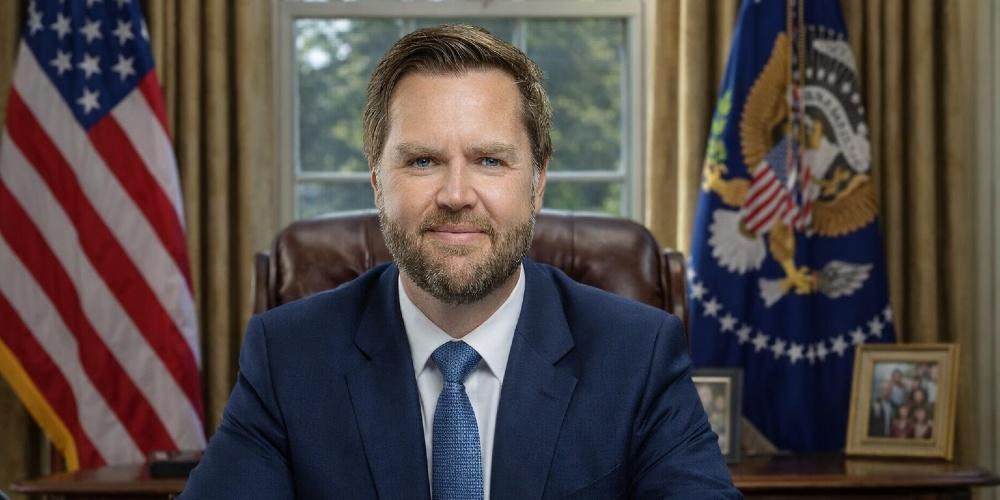
- Negotiation Team and Timing: Vance will lead the delegation, joined by Special Envoy Steve Witkoff and Jared Kushner. Talks are scheduled to begin Saturday morning local time in Islamabad, with Pakistan serving as mediator through figures like Field Marshal Asim Munir.
- Ceasefire Context: Trump announced the truce on April 8, 2026, conditioned on resumed shipping through the Strait of Hormuz. Tensions remain high over Iran’s 10-point proposal, accusations of violations, and whether Israel’s actions against Hezbollah in Lebanon are part of the deal.
- Political Stakes for Vance: Success could bolster his 2028 prospects by showcasing him as a dealmaker who bridges MAGA factions, particularly appealing to noninterventionist voices. Failure risks prolonging an unpopular conflict with public disapproval running at about 53.6% in recent polls.
- Vance’s Stance: The VP has defended the initial military actions while emphasizing Iran’s nuclear ambitions must be curbed, consistent with Trump’s long-held position. A source close to Vance insists political calculations are not driving the effort.
Vice President JD Vance is heading to Islamabad, Pakistan, this weekend to lead high-stakes U.S. negotiations aimed at turning a fragile two-week ceasefire with Iran into a lasting peace deal. The trip positions Vance as President Trump’s key “right-hand man” in foreign policy and draws significant attention for its potential impact on both Middle East stability and Vance’s own political future.
The backdrop involves U.S.-Israeli strikes that eliminated Iran’s former Supreme Leader Ali Ayatollah Khamenei, with his son Mojtaba allegedly now in power. A memorial for the elder Khamenei occurred on April 9, adding emotional weight to the diplomacy. Iran accuses the U.S. of breaching terms, while the White House maintains it agreed only to a more condensed plan and never promised to restrain Israel in Lebanon. Vance has publicly clarified: “We never made that promise,” noting Israel’s voluntary restraint is helpful but not formally tied to the ceasefire.
White House Press Secretary Karoline Leavitt described Vance’s role as central, calling him integral to all prior discussions. Trump himself has expressed optimism about reaching a deal that prioritizes “America First” and brings lasting Middle East peace. Republican strategist John Feehery highlighted the high stakes, arguing that ending the war would significantly aid Vance politically given its economic costs and broad unpopularity.
Former Rep. Marjorie Taylor Greene voiced trust in Vance’s instincts, pointing to generational divides within conservatism—younger Americans favoring an America First approach over neoconservative interventionism. She suggested Vance could help unify the MAGA base by steering toward de-escalation. Critics of the war, including figures like Tucker Carlson, watch closely to see if Vance leans into his earlier noninterventionist Senate views while remaining loyal to Trump.
Pakistan’s role as host and mediator reflects improved U.S.-Pakistan ties under the current administration. Islamabad has actively facilitated backchannel talks, hosting regional players and positioning itself as a neutral broker between nuclear-armed rivals. Security measures in the Pakistani capital are intense, with reports of heightened precautions ahead of the in-person meetings.
The fragile nature of the current pause underscores the challenge. Both sides remain far apart on core issues, and the two-week window adds urgency. Vance’s performance could define his image as a steady operator capable of delivering results on the global stage—a rare opportunity for a vice president early in an administration.
Overall, this Islamabad trip tests not only U.S. diplomatic leverage but also the internal dynamics of the Trump coalition. A successful outcome would mark a tangible foreign policy win, potentially easing economic pressures and satisfying calls for restraint. Whether Vance emerges as the closer Trump needs—or faces the pitfalls of a stalled process—will shape headlines far beyond the immediate negotiations.
Why Bullion Beats Numismatics and Collectible for Your Safe or IRA
Precious metals continue to attract Americans seeking reliable ways to protect their wealth amid inflation, geopolitical risks, and stock market swings. Whether stored in a home safe or held inside a self-directed IRA, physical gold and silver deliver tangible value that paper or digital assets often lack. Yet investors must choose carefully between bullion—pure bars and coins valued mainly for their metal content—and numismatics or collectibles, where rarity, history, and collector demand heavily influence pricing.
Advisor Bullion serves as a dependable source for straightforward, high-quality bullion. The company specializes in physical gold, silver, platinum, and palladium, emphasizing transparent pricing and products that deliver maximum metal content for every dollar spent. This approach makes it ideal for both personal holdings and retirement accounts.
Bullion consists of refined precious metals in standard forms like one-ounce coins (American Gold Eagles, Silver Eagles, Canadian Maple Leafs) or bars. Their value tracks closely to the current spot price of the metal. A typical gold bullion coin trades near the live gold spot price plus a small premium. This structure keeps costs clear and predictable.
Numismatic coins and collectibles add substantial value from factors such as age, rarity, minting errors, or historical significance. A pre-1933 U.S. gold coin or graded proof piece can carry premiums of 30%, 50%, or even 200% above melt value. While this appeals to hobbyists, it creates complexity. Pricing depends on subjective grading, collector trends, and auction results instead of daily spot prices.
For investors focused on wealth preservation and retirement security rather than building a collection, bullion often delivers better results.
Lower Costs and Better Liquidity for Home Storage
When keeping metals in a home safe or private vault, liquidity and efficiency count. Bullion offers clear benefits:
- You acquire more actual gold or silver per dollar invested. Numismatics divert a large share of your money into rarity premiums and massive sales commission, reducing your metal exposure.
- Selling bullion involves tight bid-ask spreads, so you recover nearly full spot value with minimal fees. Collectibles require finding the right buyer and may sell at a discount if demand for that specific item weakens.
- Bullion prices remain transparent and update with global spot markets. You can track gold near current levels or silver accordingly and know exactly where your holdings stand. Numismatic values are priced by the Gold IRA companies with hefty margins applied.
- Standardized coins and bars store efficiently and divide easily for partial sales. Rare coins often need protective slabs and controlled conditions, adding hassle and expense.
- Bullion enjoys worldwide acceptance. A 1-oz Gold Maple Leaf or Silver Eagle sells quickly to dealers anywhere. Niche numismatic pieces may appeal only to limited buyers, slowing liquidation when speed matters.
In times when quick access to value becomes important, bullion’s simplicity stands out.
Stronger Fit for Precious Metals IRAs
Precious metals IRAs continue gaining traction as investors diversify retirement portfolios beyond stocks and bonds. IRS rules permit certain bullion products in self-directed IRAs if they meet purity standards (.995 fine for gold, .999 for silver) and are held by an approved custodian. Eligible items include American Gold and Silver Eagles plus many generic bars and rounds from recognized mints.
Numismatic and most collectible coins generally face heavy scrutiny from custodians due to valuation disputes and elevated markups. These higher premiums mean less actual metal ends up working inside the account.
Bullion avoids these issues. Its value links directly to verifiable spot prices, which simplifies reporting and lowers the risk of regulatory challenges. More of your IRA contribution purchases real metal instead of dealer profits or speculative upside. Over time, owning additional ounces that appreciate with the metal itself can create meaningful outperformance compared with high-premium alternatives that deliver fewer ounces.
Regulatory guidance from the CFTC and state securities offices repeatedly cautions against aggressive sales of expensive numismatics or “semi-numismatic” coins for IRAs. For retirement planning, transparent bullion from established providers reduces risk and aligns better with long-term goals.
How to Get Started with Bullion
Begin by clarifying your goals. Are you protecting savings in a safe, or moving part of a retirement account into a precious metals IRA? Focus on the number of ounces you can acquire at current prices rather than chasing marked-up collectibles.
Diversify sensibly: use gold for core preservation and silver for its blend of industrial and monetary qualities. Mix coins for easier divisibility with bars for lower per-ounce costs on larger buys. Arrange secure storage—whether at home with proper insurance or through professional facilities.
As economic uncertainties linger and faith in conventional assets erodes, bullion continues proving its worth as a dependable store of value. Its direct approach avoids the hype that sometimes surrounds collectible markets and keeps the focus on the metal itself.
For investors prepared to strengthen their portfolios, Advisor Bullion supplies the expertise and selection needed to acquire high-quality bullion efficiently. Whether building personal holdings or integrating metals into an IRA, their emphasis on transparent, investment-grade products helps secure more ounces today that support greater financial security tomorrow. In a complicated financial landscape, bullion’s clarity and reliability make it the smarter foundation for protecting what matters most.