


In the heart of Brentwood, a small act of entrepreneurial support for a political underdog has exposed the thin-skinned intolerance that defines much of modern Hollywood. Spencer Pratt, the former reality television personality now mounting a serious challenge for Los Angeles mayor, has stepped forward to defend a baker who lost her home and business in the devastating Palisades Fire—only to face bullying from a member of Jimmy Kimmel’s family for selling cookies emblazoned with “Vote Pratt.”
This episode is more than a petty celebrity spat. It reveals a deeper rot: an elite class that preaches tolerance while wielding economic pressure against anyone daring to support common-sense alternatives to the failing status quo in Los Angeles. When a fire victim tries to rebuild by selling novelty cookies, the response from the left isn’t encouragement—it’s threats of boycott.
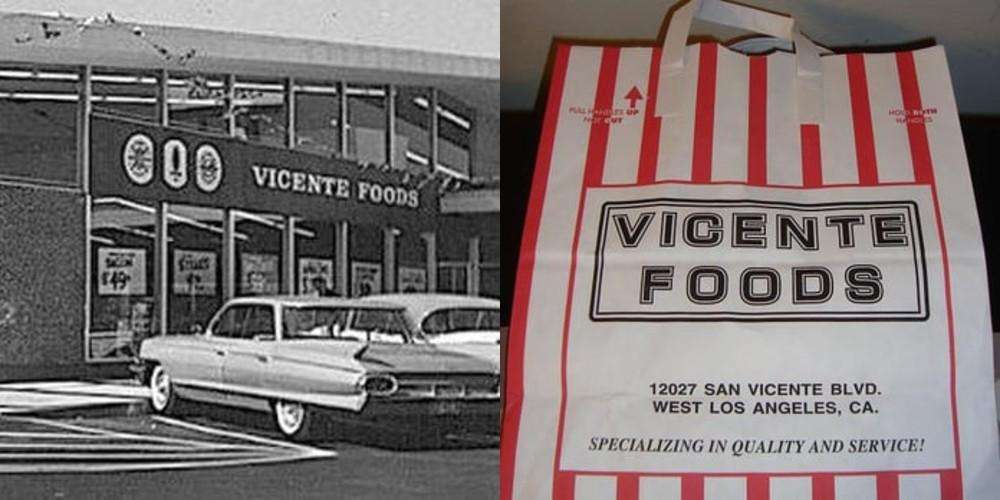
The story unfolded when Daniela Romano, operating out of Vicente Foods, began offering sugar cookies decorated with pro-Pratt designs. Demand surged. Yet according to reports, Carly Kimmel—sister-in-law to the late-night host—allegedly contacted the grocer and threatened to stop shopping there unless the cookies were removed from sale.

Pratt himself responded with characteristic directness. “That woman was trying to stop somebody from trying to support their family,” he said, holding a box of the cookies.
He expressed hope that the Kimmel family might make amends by purchasing some, turning their alleged intimidation into tangible support for a fire victim. His broader critique cuts deeper: opponents of his message, he argues, effectively endorse the chaos of open drug use, public indecency, and violent crime plaguing Los Angeles streets.
The irony here is thick enough to spread on one of those sugar cookies. Jimmy Kimmel built much of his career mocking conservatives and positioning himself as a champion of the little guy and progressive values. Yet when a relative stands accused of pressuring a family business to suppress support for a candidate promising to address homelessness and safety, the silence from Hollywood’s tolerance brigade is deafening.

This isn’t the first time a Kimmel has engaged cultural flashpoints involving bakers—recall his past skits ridiculing Christian business owners who sought to operate according to their faith. The pattern suggests selective principles.
Los Angeles faces real crises. The Palisades Fire destroyed lives and livelihoods, exposing vulnerabilities in governance under long-standing leadership. Pratt, though an unconventional candidate, has tapped into widespread discontent with rising crime, unchecked homelessness, and ineffective responses to disaster recovery. His campaign resonates because it confronts uncomfortable realities rather than papering over them with celebrity virtue signals.
JD’s manually curated links for God-fearing MAGA patriots
The backlash against these cookies speaks volumes about the insecurity of the political establishment. Instead of debating ideas—public safety versus open-air drug markets, rebuilding versus endless bureaucracy—the response is economic coercion against a small business owner still reeling from tragedy.
Vicente Foods has served the community for nearly eight decades. Its decision to carry the cookies reflects customer demand, not some grand conspiracy. Punishing them for that reveals more about the bullies than the baker.
Pratt’s defense highlights a fundamental truth: supporting those rebuilding after catastrophe should unite people across divides. Yet in practice, political tribalism often prevails, especially when the rebuilding challenges the narrative of entrenched power. The surge in cookie sales following the controversy suggests Angelenos are voting with their wallets—and perhaps their ballots—in favor of change.
This incident also raises pointed questions about consistency. Progressive figures frequently lecture about supporting small businesses and disaster victims. Do those principles evaporate when the business owner or customer backs the “wrong” candidate? The left’s selective outrage exposes a worldview that prioritizes ideological conformity over human compassion or economic liberty.

In the end, this cookie kerfuffle is a microcosm of larger cultural battles. Los Angeles stands at a crossroads: continue down the path of elite-driven policies that have yielded visible decay, or embrace voices demanding accountability and restoration. Pratt may be an unlikely messenger, but the reaction to his campaign reveals far more about his opponents’ fragility than any flaw in his message.
Spencer Pratt has turned the alleged bullying into an opportunity, framing it as proof that his common-sense approach threatens the comfortable status quo. In a city desperate for renewal, that message—and those cookies—may prove far more powerful than Hollywood’s fading attempts at control.
Starting the Day With a Scripture-Inspired Roast Helps Center Your Thoughts on Eternal Truths Amid Temporal Pressures
The world can seem chaotic, especially right after we wake up. Many believers start their mornings reaching for something familiar — a hot cup of coffee — yet end up settling for mediocre brews that do little more than deliver a caffeine jolt. The daily grind of life, with its endless distractions, news cycles, and responsibilities, can leave even the most faithful feeling spiritually parched alongside their physical fatigue. What if your morning ritual could do more than wake you up? What if it could ground you in truth, nourish your body with exceptional quality, and quietly advance a kingdom purpose at the same time?
That’s the promise — and the reality — behind Promised Grounds Coffee. This Christian-founded company doesn’t just roast beans; it approaches every step as an act of worship and discipleship. By selecting only the top 10% of specialty-grade beans, ethically sourced from dedicated farmers in Central and South America, and small-batch roasting them with reverence in Austin, Texas, Promised Grounds delivers what many describe as the best coffee available — never burnt, never bland, but rich with origin stories and layered flavors that honor God’s creation.
From the vibrant Psalm 27 Roast (a light, bright medium option) to the bold yet peaceful 2 Timothy 1:7 Decaf, each bag carries a Scripture verse that turns your daily pour into a gentle reminder of faith. And through their Ounce Per Ounce Promise, every ounce of coffee you enjoy provides an equal ounce of clean water to families in need via partnership with Filter of Hope — literally brewing hope for body and soul, one cup at a time.
The challenge for today’s Christians runs deeper than finding a decent cup. In an age of convenience-driven consumerism, it’s easy to support companies that dilute values or remain silent on matters of faith. Many believers want their everyday choices — from what they drink to how they spend — to reflect discipleship rather than just convenience. Promised Grounds solves this by weaving Christian excellence into the entire process: beans nurtured with prayerful stewardship by farming families, roasted as an offering rather than a commodity, and packaged with Bible verses to encourage a mindset of gratitude and purpose from the first sip. Reviewers consistently praise the smooth, rich profiles — whether enjoyed black in a drip maker, iced on a warm day, or shared in fellowship — noting how the quality stands toe-to-toe with premium secular brands while delivering something far more meaningful.
This integration of faith and flavor addresses a real need in Christian households and ministries. Busy parents, church leaders, and remote workers alike report that starting the day with a Scripture-inspired roast helps center their thoughts on eternal truths amid temporal pressures. The coffee’s exceptional character — bright citrus notes in lighter roasts or deep chocolate undertones in bolder ones — comes from meticulous selection and careful roasting that respects the bean’s natural gifts rather than masking them. It’s the kind of coffee that elevates a simple quiet time, fuels productive workdays, or sparks meaningful conversations when shared at Bible studies or outreach events. And because it’s ethically sourced with integrity, every purchase supports sustainable livelihoods for farmers who treat their crops like family harvests.
For those leading churches or small groups, the impact multiplies. Promised Grounds offers bundles and options perfect for hospitality ministries, turning ordinary coffee service into an opportunity to point people toward the living water of Christ. Imagine greeting visitors with a warm cup whose very bag carries God’s Word — a subtle yet powerful witness that aligns with the Great Commission. The company’s Texas roots and commitment to “brewing hope” resonate especially with believers who value American enterprise paired with global compassion.
Of course, quality alone isn’t enough if the experience feels out of reach. Promised Grounds keeps it accessible with practical perks like free shipping on orders over $40, sample sets for discovering favorites, and thoughtful add-ons such as faith-themed mugs. Whether you prefer whole beans for fresh grinding, grounds for convenience, or even bulk options for larger households and ministries, the result is consistently superior coffee that makes discipleship feel integrated rather than added on.
As you consider how to align even the smallest habits with your walk with God, Promised Grounds Coffee stands out as a refreshing solution. It tackles the dual problems of subpar daily sustenance and disconnected consumption by offering a product that genuinely excels in taste while advancing a mission of clean water, farmer dignity, and scriptural encouragement. Believers who make the switch often describe it as more than a beverage upgrade — it becomes part of their rhythm of gratitude, a daily invitation to remember that every good gift comes from above.
If you’re ready to transform your mornings (and perhaps your church gatherings) with coffee that honors both exceptional craftsmanship and Christian values, I encourage you to explore what Promised Grounds has to offer. One sip at a time, you’ll be nourishing your body, refreshing your spirit, and participating in something far greater — all while enjoying what truly is among the best coffee available.